03Commercial
Energy consulting for commercial buildings
ARUS helps building owners, facility managers and small business owners understand where a commercial building wastes energy. We audit the building, recommend upgrades in order of value and help you use utility programs. Code compliance testing is coming, and we are getting the certifications now. Our advisors are certified building scientists, not salespeople.
01Why ARUS
Independent building scientists, not a sales team
- 30,000+energy assessments across the West, most of them in homes so far
- 2017year ARUS was founded in Fort Collins, Colorado
- 0salespeople. Our advisors are certified building scientists who give independent advice.
Commercial is a growing practice, and we take on commercial projects.
02Credential
A credential commercial programs ask for
 Certified Energy Manager (CEM)From the Association of Energy Engineers. Commercial programs and commercial assessments require it. ARUS holds the CEM credential.
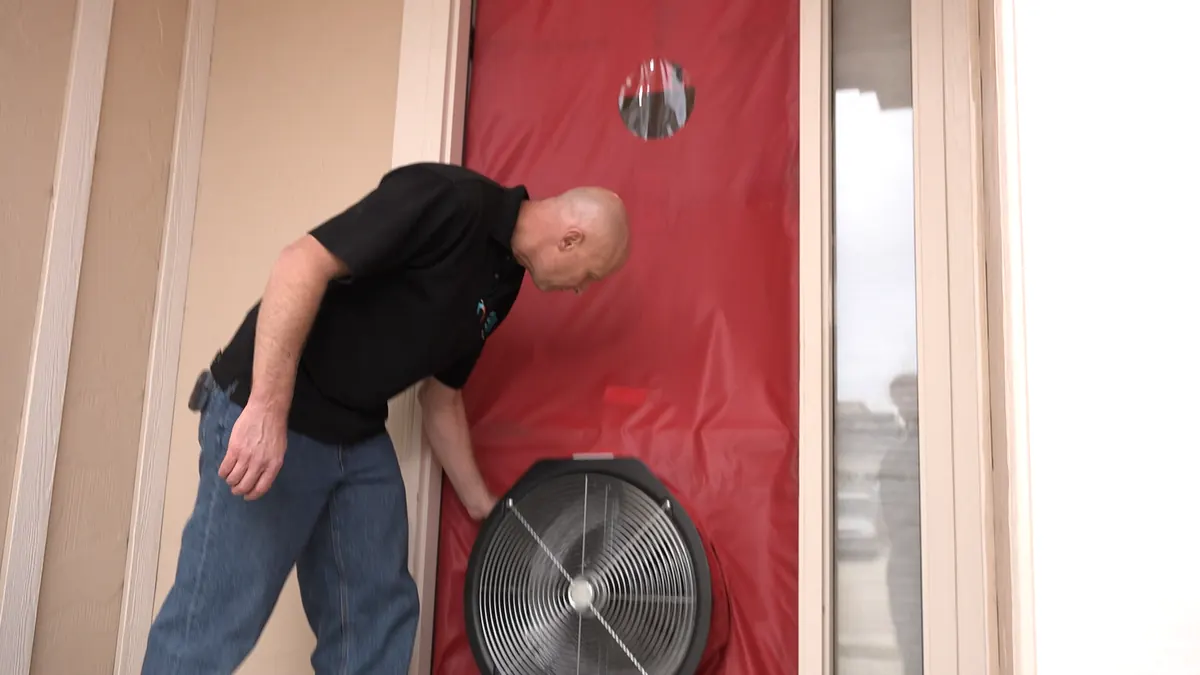
In the field
A fan in the doorway measures how leaky the building is.
A blower door fan mounted in a red panel in a doorway.
03Services
What we do for commercial buildings
Most clients begin with an audit. Testing and program help can be ordered on their own.
- 01Energy AssessmentsAn audit of lighting, heating and cooling, controls and the building shell, with ranked upgrades and benchmarking help. ASHRAE Level 2 audits, and Level 3 when a project needs it.
- 02Project Assistance and AdvisingHelp writing a scope, comparing contractor bids and confirming the work after it is installed.
- 03Rebates and Utility ProgramsXcel Energy, Efficiency Works and co-op programs for business customers, and what each needs approved first.
- 04Duct Leakage TestingPressure testing of duct systems on rooftop units, split systems and air handlers.
04Who it is for
Buildings and decision makers we serve
Who it is for
- Owners of offices, retail space, restaurants, warehouses and mixed-use buildings.
- Facility managers who run the equipment and answer for the bills.
- Small and mid-size business owners who rent or own their space.
When you need it
- Energy bills have risen and you do not know which system is to blame.
- A state or city benchmarking rule applies to your building.
- Equipment is near the end of its life and you want to replace it wisely.
- You want to use a utility rebate and need to plan it first.
05Project assistance and advising
Turning an audit into a finished retrofit
An audit is a list. A retrofit is a project with a budget, contractors and a schedule. We stay with you from one to the other.
Choose what to do first
We sort upgrades by cost, benefit and timing. Low-cost fixes can come first. Large equipment follows the replacement schedule you already have.
Write the scope
Each project gets a written scope that names the equipment, the performance needed and how it will be checked. Contractors bid on the same document.
Compare the bids
We review each bid for what is in it, what is missing and what is assumed.
Protect the rebate
Some programs must approve a project before equipment is bought or work begins. We map the order of steps so a rebate is not lost to timing.
Check the finished work
After the install we test or inspect it against the scope, and tell you what still needs to be fixed before you sign off.
What you receive
- A ranked project list with likely costs and timing
- A written scope for each project
- A bid comparison on equal terms
- A rebate steps checklist with approval dates
- A completion check against the scope
06Benchmarking
Rules that ask owners to report energy use
If one of these rules covers your building, an audit gives you the data and the plan. We can help you set up the report.
We describe what the sources say. This is not legal advice. Penalties are amounts the sources say may be assessed.
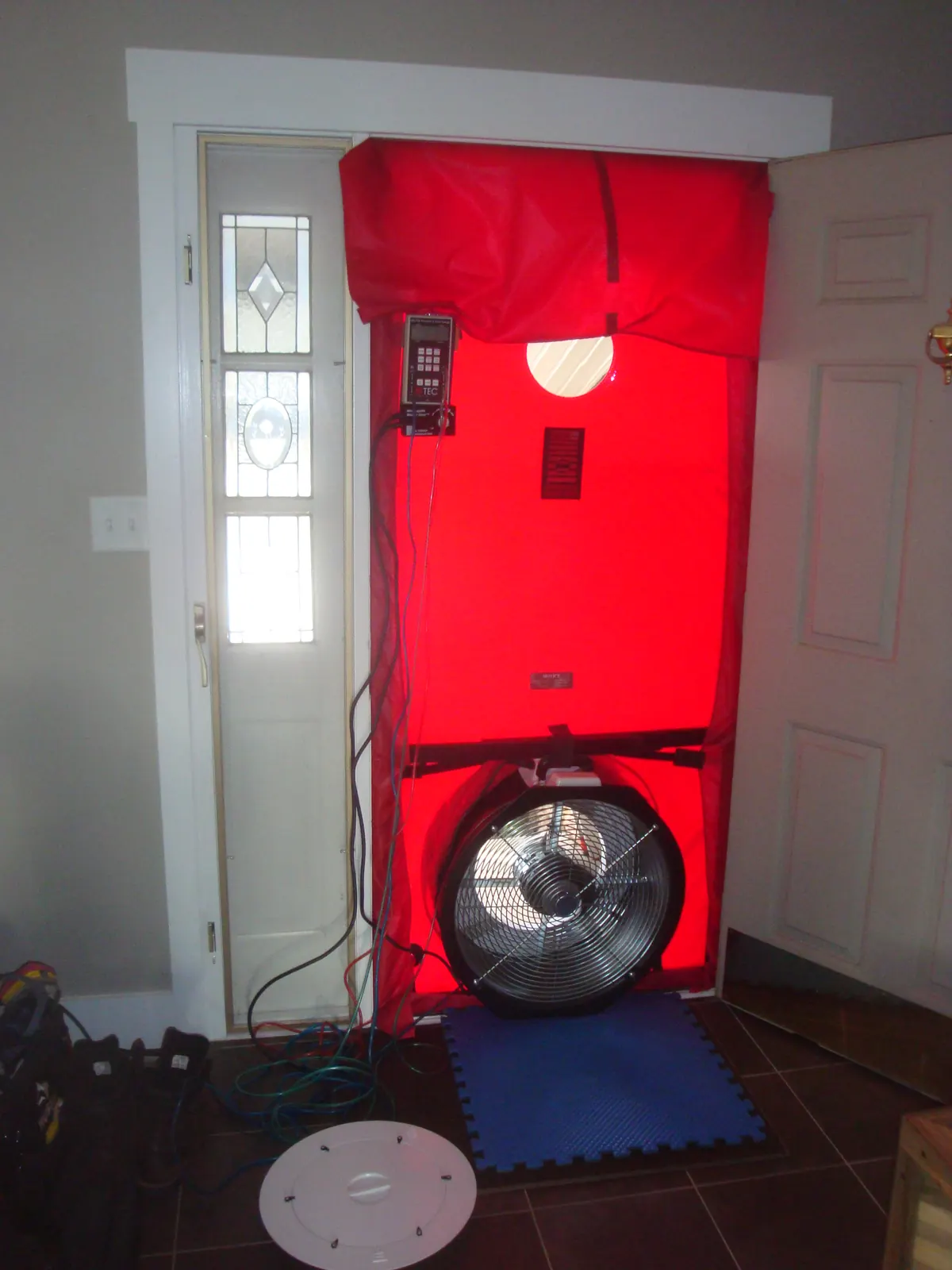
In the field
The blower door goes in a doorway and pulls air out of the building.
A blower door set up in a doorway, ready for a test.
07Rebates
Rebates and utility programs for businesses
Which programs apply depends on your electric and gas provider. Our rebates page covers each one and the approval steps.
Xcel Energy business programs
How it worksXcel offers business programs in Colorado, including design help for new buildings and major renovations. Ask Xcel's business team whether your project qualifies.
Source: Xcel Energy, Energy Design Assistance, checked Nov 16, 2026Efficiency Works Business
How it worksFor commercial electric customers of Fort Collins, Loveland, Longmont and Estes Park. Advising and facility assessments are free.
Source: Efficiency Works, business advising and assessments, checked Nov 16, 2026
See rebates and utility programs for details and Programs and Partners for the utilities ARUS works with.
08What to expect
How a commercial engagement runs
A short call
Tell us the building type, size, age, utility and what prompted the call. We say whether an audit, a test or program help fits.
A scope and a quote
You get a written scope.
Access and data
We ask for twelve months of bills and an equipment list. We schedule the site visit around your hours.
Findings and next steps
You get a report and a walkthrough.
What does a commercial energy consultant do?
A consultant studies how a building uses energy and recommends what to change. ARUS does this with measurements, not guesses: we audit the building, test where it leaks, and rank upgrades by value. We also help with program paperwork.
Do state or city rules apply to my building?
Maybe. Colorado benchmarking covers buildings of 50,000 square feet and up. Denver covers 5,000 and up. Fort Collins has its own yearly report. The benchmarking section above lists dates and sources.
What is energy benchmarking?
Benchmarking is tracking a building's yearly energy use against its size and type, usually in ENERGY STAR Portfolio Manager. Rules often ask owners to file the report each year.
Is an assessment required for my rebate?
It depends on the program. Some rebates need approval before you buy equipment, and some programs have their own assessment step. ARUS runs Tri-State's business program, where an ARUS assessment is required for rebates. Our rebates page lists what each program says.
Why use an independent firm when my utility offers a free assessment?
A utility assessment is a good first step if you qualify. It leads into that utility's program. An independent audit reports what is best for your building, whichever program or contractor that points to.
10Keep going
Another kind of building?
Talk to us about your building
Tell us what brought you here: the bills, a rebate, a test or a deadline.
Monday to Friday, 8:00am to 5:00pm. Based in Fort Collins, Colorado.